Embers, Candles and the Long Memory of Care
february, 2026By Chef Fernando Stovell
February is not a month of spectacle. It is quiet, introspective, and often misunderstood. While the calendar insists on romance and grand gestures, nature itself whispers something far more subtle: stay close, cook slowly, preserve warmth.
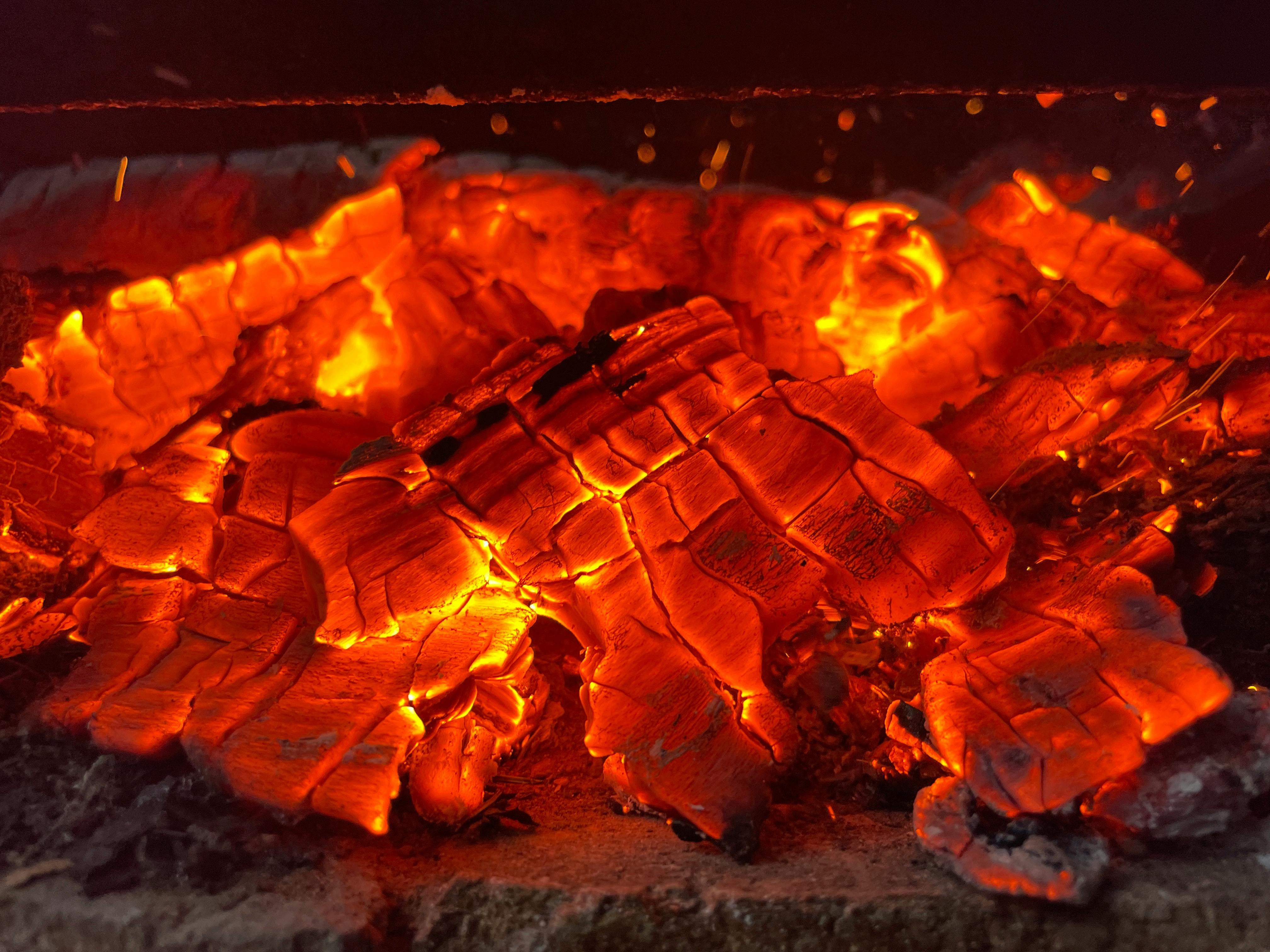
This is the time of embers rather than flames.
1. The Fire That Remains
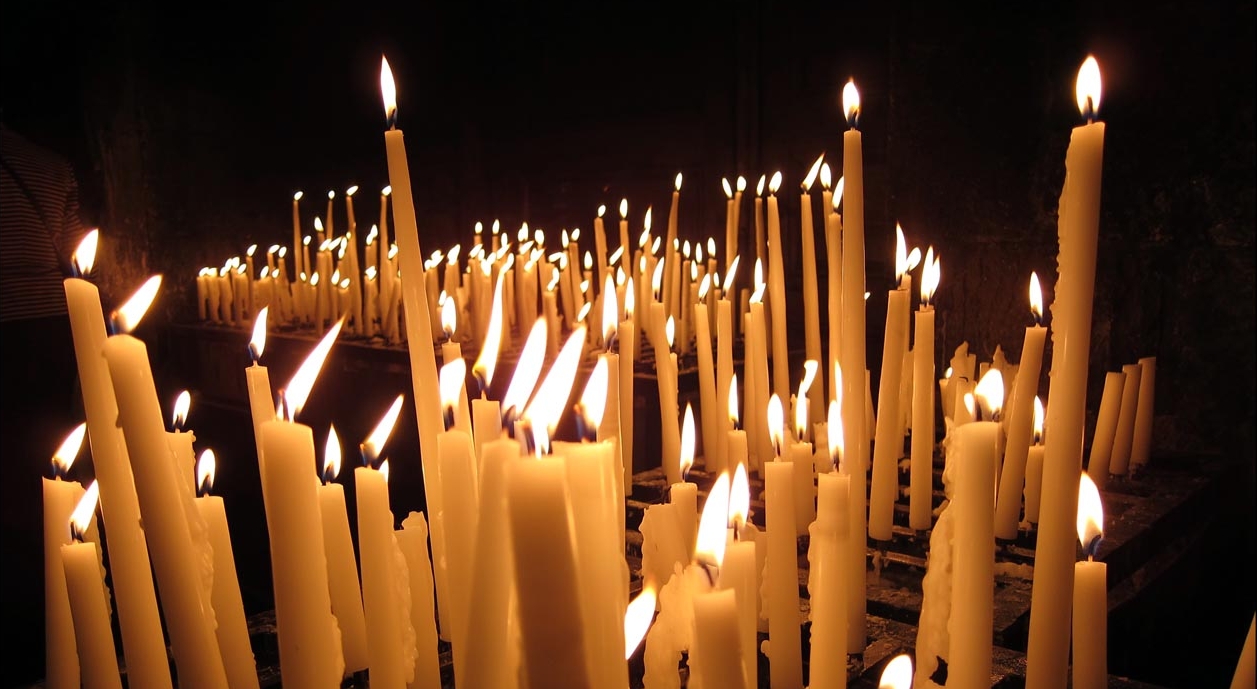
Across history, February has been marked by fire — not celebratory bonfires, but domestic hearths. Candlelight. The low, patient heat that sustains rather than dazzles. It is the fire that remains when the drama has passed, the warmth that asks for attention rather than applause.
In kitchens across Europe and beyond, food at this time of year was shaped by necessity and care. Roots stored through winter. Grains kept dry and protected. Honey treasured like gold. These ingredients were not chosen for fashion, but for survival — and, in their simplicity, they became deeply expressive.
Honey, grain, dried herbs, preserved fruit. Ingredients that endure.
2. La Candelaria: A Promise Fulfilled
In Mexico, February carries its own profound continuity — one that begins weeks earlier, at Día de Reyes, and culminates not in excess, but in responsibility. The Rosca is never the end of the story. Hidden within it is a promise: whoever finds the figurine commits to feeding others on La Candelaria, on the 2nd of February.
This is not coincidence. It is choreography.
La Candelaria is the celebration of light — candles carried, homes blessed, kitchens awakened. It mirrors Candlemas traditions across Europe, where fire and faith intertwine, marking the moment when winter begins to loosen its grip. And at the heart of La Candelaria is not sugar, but sustenance: tamales.
3. February Food in Its Purest Form
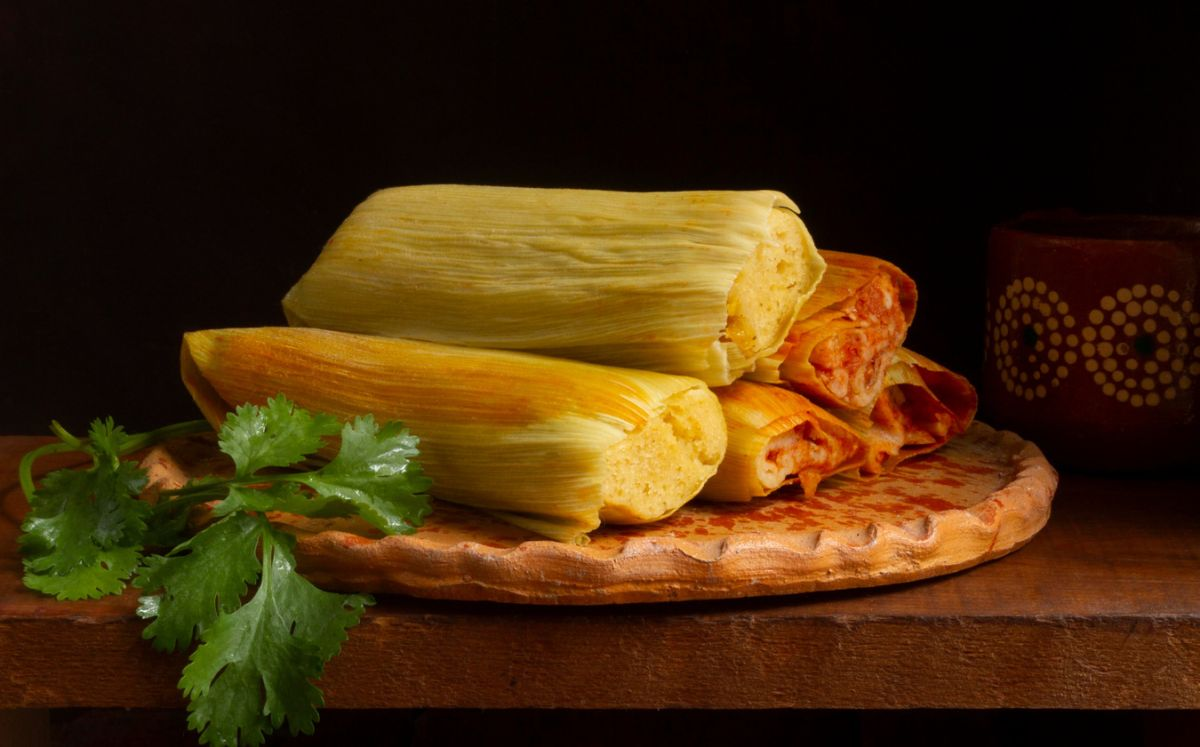
Tamales are February food in its purest form.
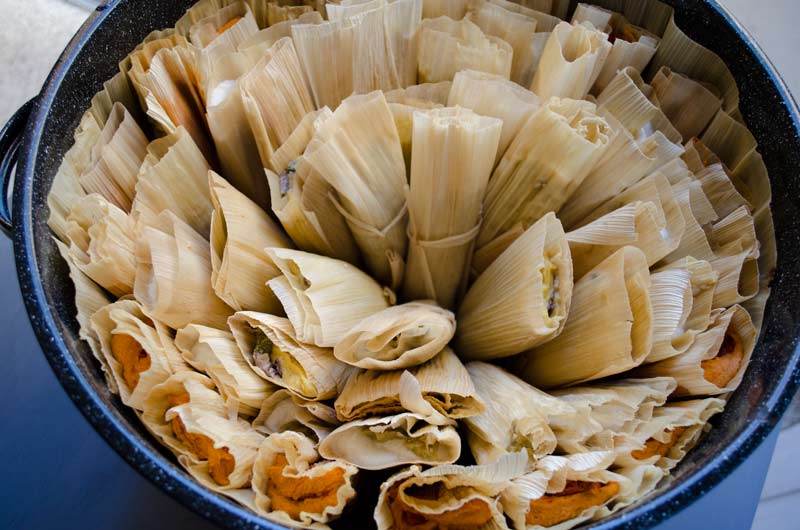
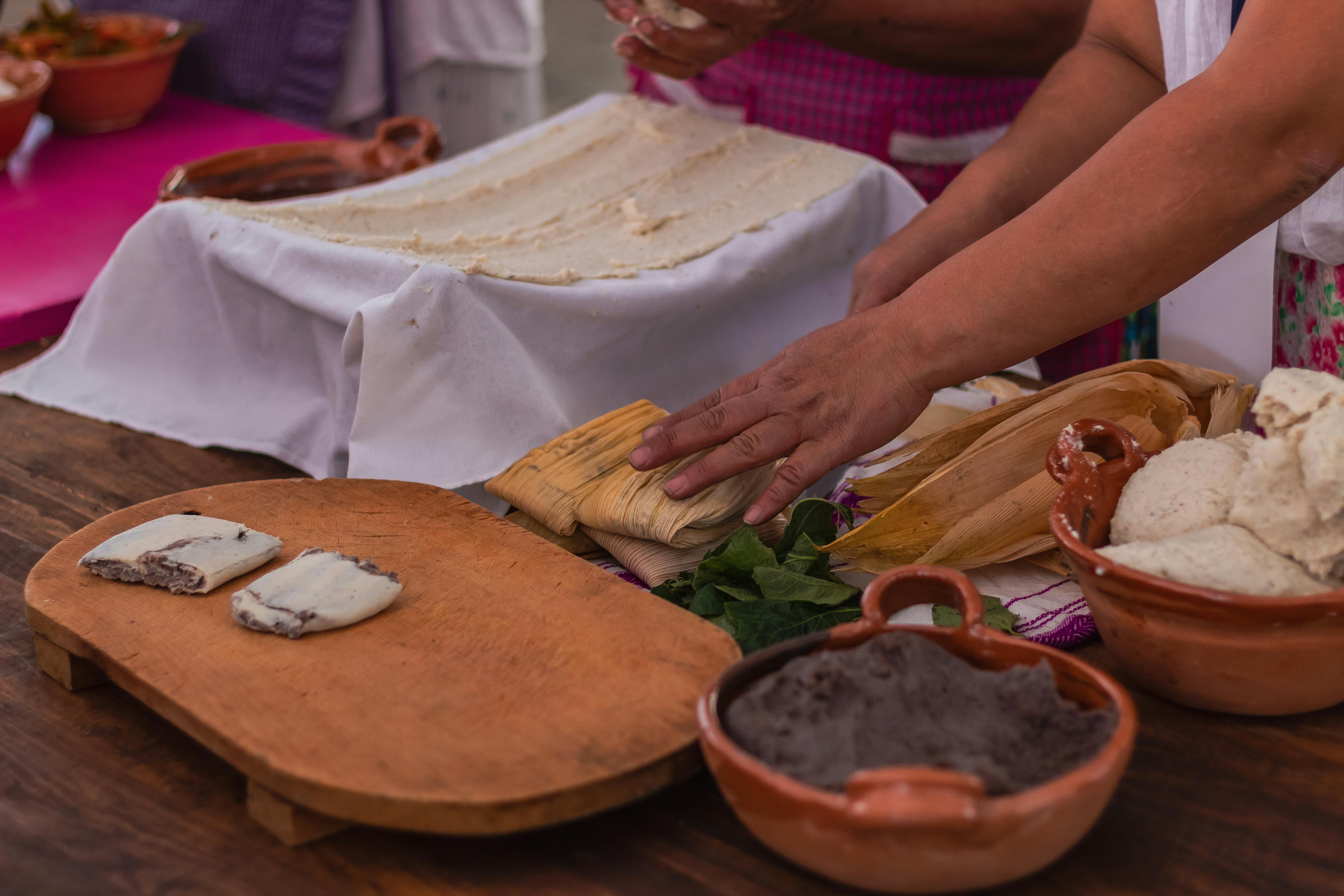
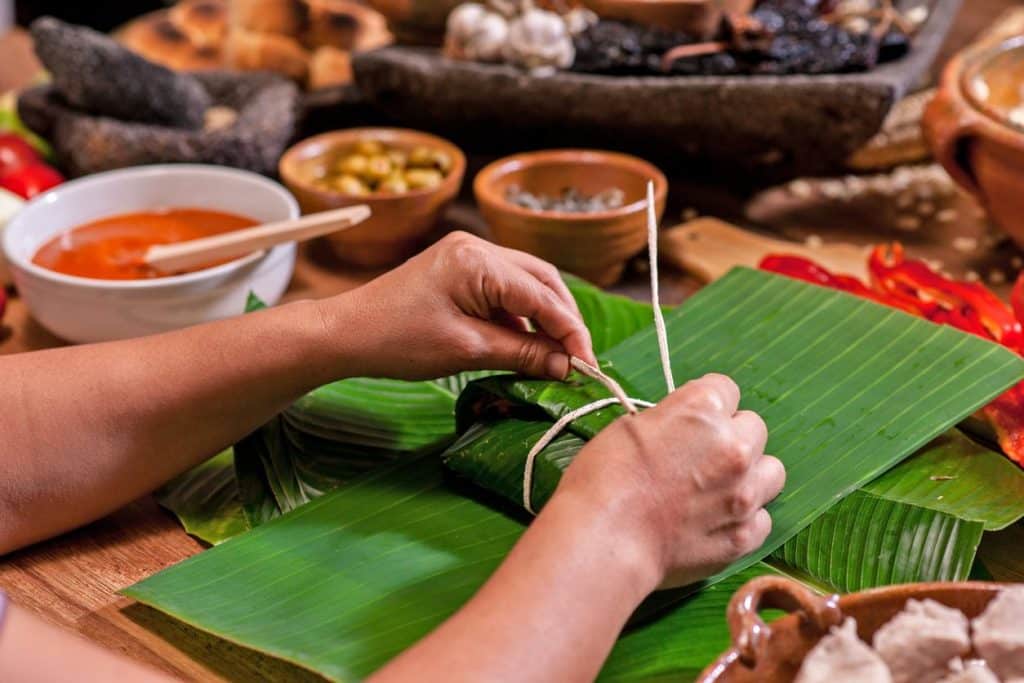
Corn — ancient, patient, resilient — ground into masa. Wrapped, filled, folded. Steamed slowly, gently, protected from direct flame. They are food that requires time, hands, and community. No one makes tamales for one. They are born of gathering, of shared labour, of obligation transformed into generosity.
Like February itself, tamales are quiet on the outside and profound within.
4. Cooking as Generosity
Cooking in February is an act of generosity. It is about feeding the body when the land offers little, and the soul when the days are short. Slow-cooked stews, roasted roots kissed by ash, bread baked with intention rather than haste — and tamales patiently steaming — these dishes speak the language of love far more honestly than sugar-coated excess.
Even Valentine's Day, stripped of its modern gloss, is rooted in this same idea. Historically, foods associated with February were believed to restore vitality: honey for sweetness and preservation, eggs for life, spices for warmth, wine for courage.
They were symbols of continuity — reminders that life was still very much present beneath frozen soil, or beneath resting fields.
What unites Valentine's tables in Europe and tamaladas in Mexico is not romance, but care. To cook in February is to say: I will sustain you until spring arrives.
5. Cooking That Listens
In my own kitchen, February cooking is restrained, grounded and elemental. Fire is not used to dominate, but to protect. Vegetables are roasted whole, grains cooked gently, sauces reduced until they hold memory and depth.
Corn returns to its most honest expression. Steam replaces flame. Patience becomes the primary seasoning.
This is cooking that listens — to the season, to the ingredients, to those who will eat.
Because before renewal comes patience. And before abundance, care.
And February, quietly, teaches us how to hold both.
February whispers rather than shouts. In its quiet wisdom lies the secret of sustaining warmth until spring returns.