The Sweet Circle of Tradition: Rosca de Reyes Around the World
january, 2026By Chef Fernando Stovell
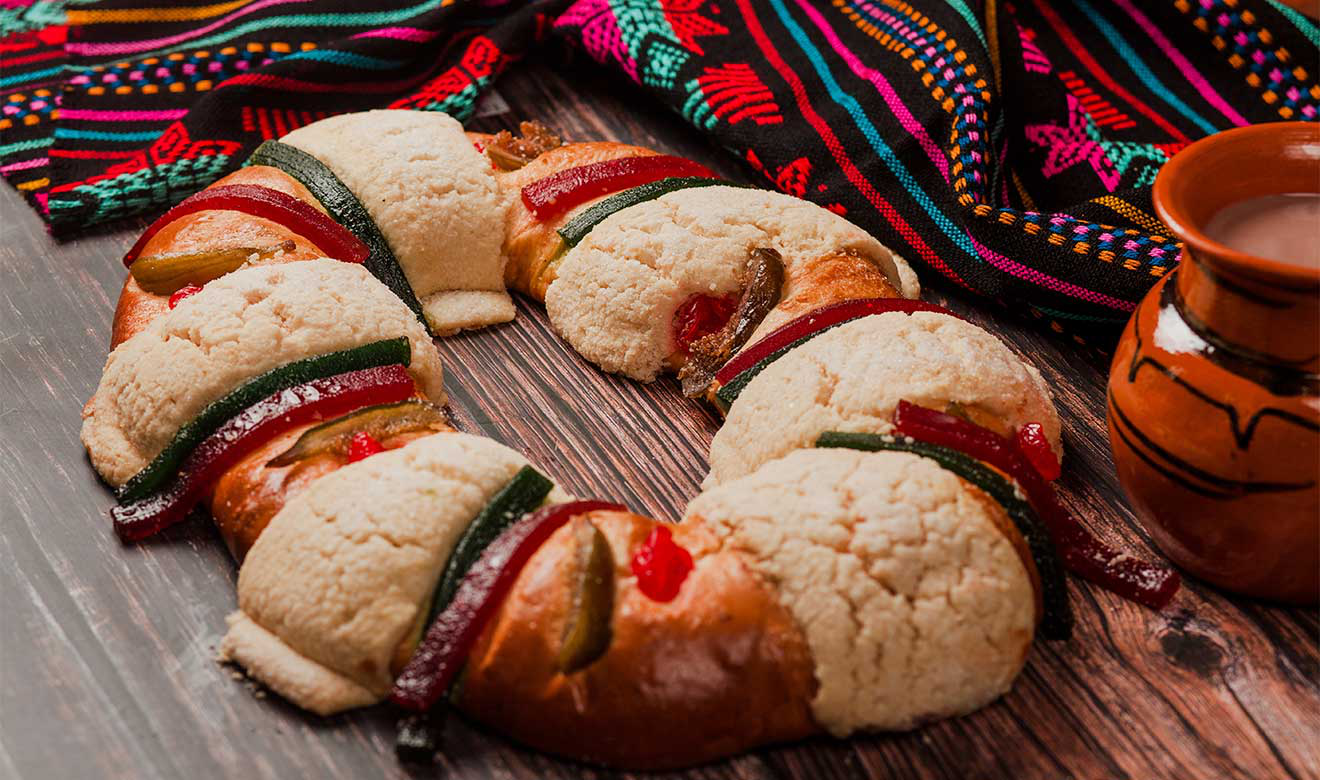
Every January, when the world begins to slow after the holidays, Mexico keeps the fire of celebration alive a little longer — with a crown of dough, fruit, and laughter: the Rosca de Reyes.
It is the last act of the festive season, celebrated on the 6th of January, when families and friends gather around the table for Día de Reyes — the Day of the Three Kings. The air still smells faintly of pine and spice; the laughter feels familiar. It's the taste of warmth before routine returns.
1. A Journey Through Time
The Rosca de Reyes has travelled far to reach the Mexican table. Its story begins in ancient Europe, where people celebrated Epiphany, the day marking the visit of the Three Wise Men to Bethlehem.
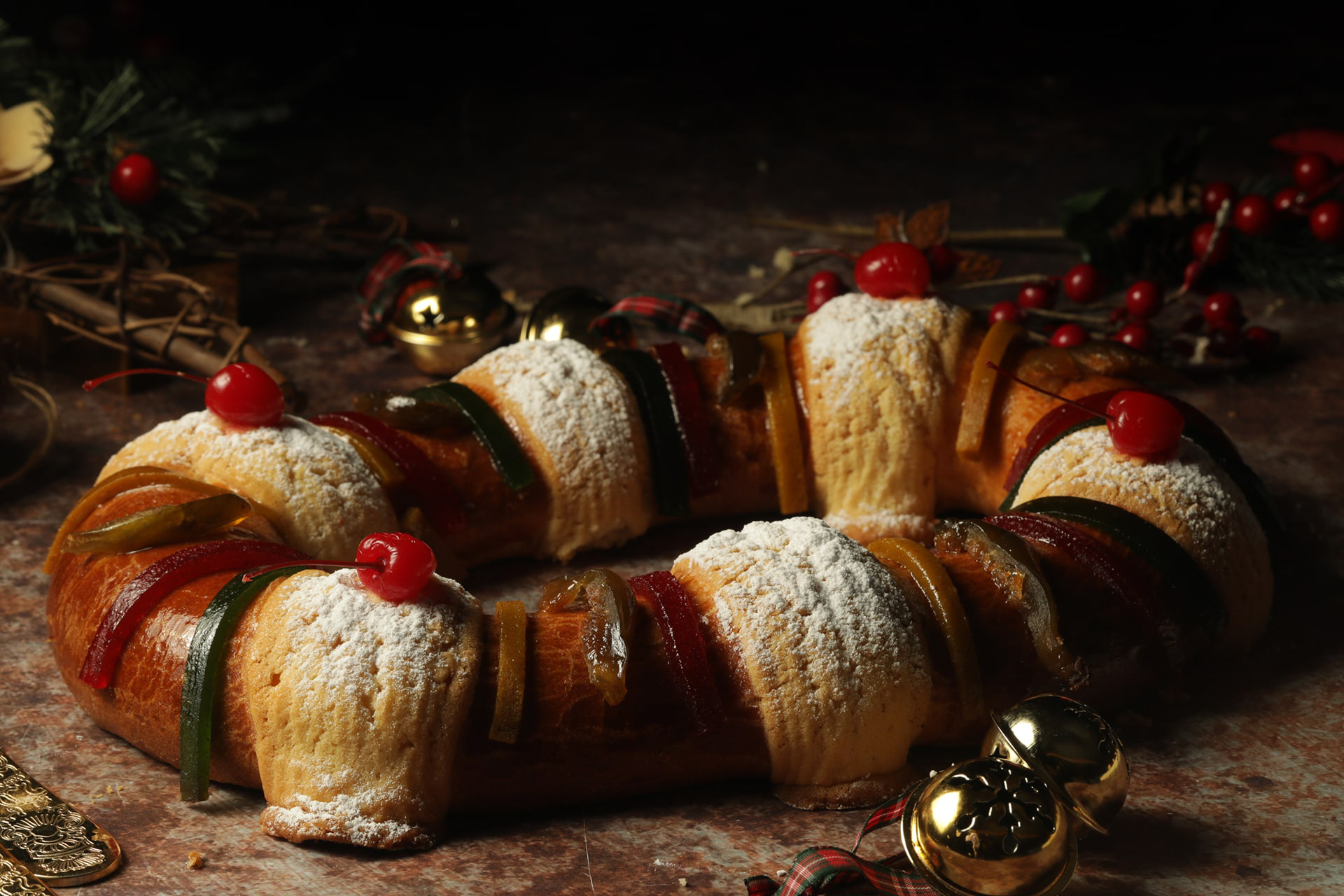
In France, the Galette des Rois was born — a golden puff pastry filled with frangipane, served with a hidden charm. Whoever found it became "king" or "queen" for the day. In Spain, it became the Roscón de Reyes — a rich bread ring adorned with candied fruit and cream, symbolising the treasures brought by the Magi.
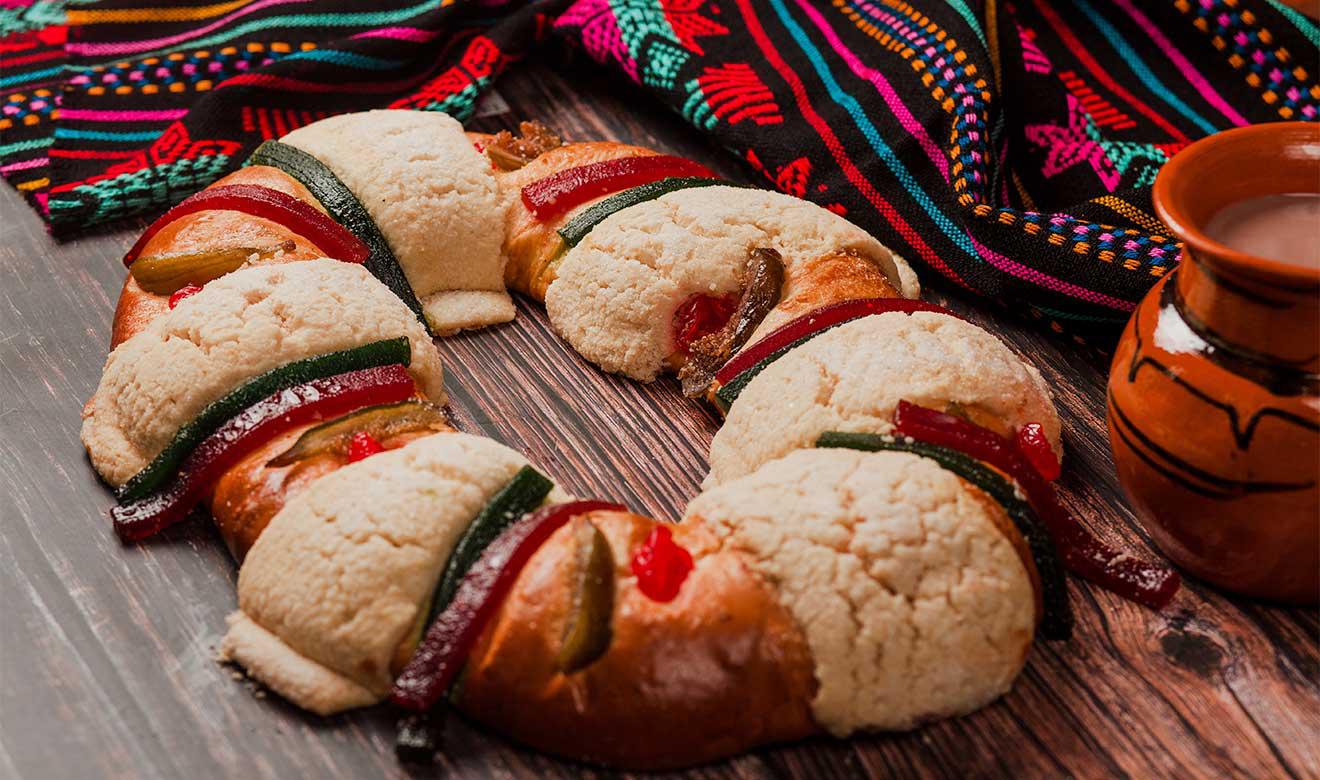
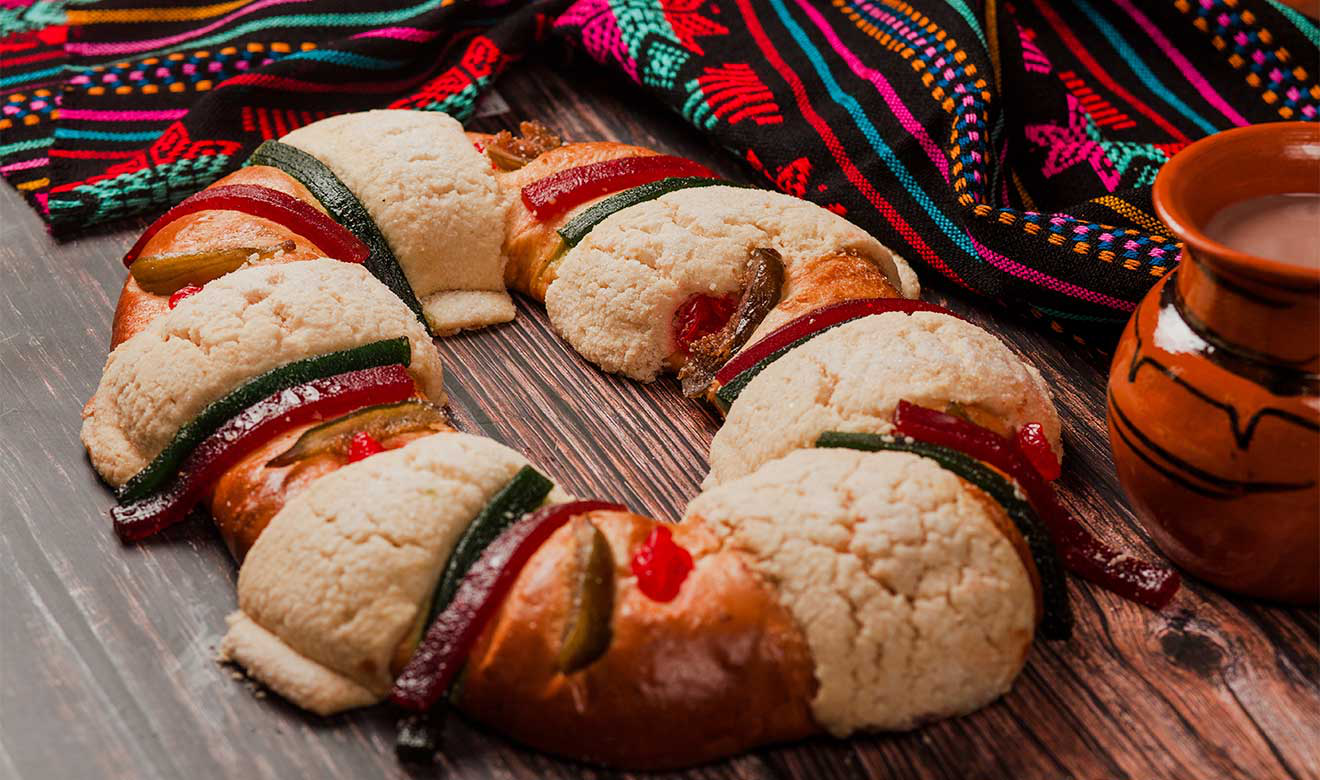
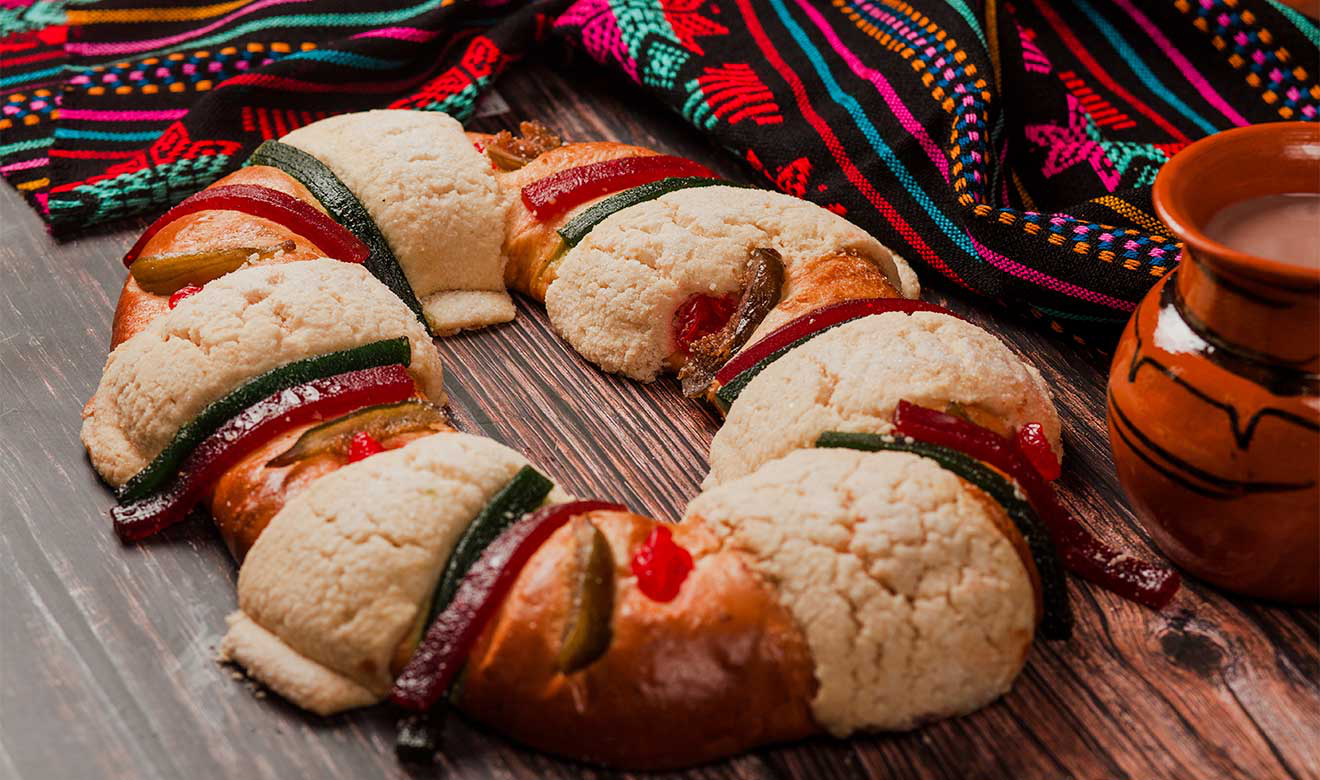
When the tradition crossed the ocean, Mexico made it its own — brighter, larger, and full of meaning. Here, the Rosca is crowned with jewels of candied fig, citron, and dried fruit, each piece shimmering like a promise. Hidden inside the dough is the tiny muñeco, the figurine of baby Jesus — a symbol of protection and faith.
2. A Slice of Fate — and Laughter
There's something deeply human — and delightfully funny — about watching everyone slice the Rosca. The room always falls into that same nervous laughter: Who will get the muñeco?
Some cut cautiously, others bravely, and there's always one person pretending to choose their slice "at random." Then it happens — the sound of a fork hitting porcelain, a small gasp, followed by applause and laughter. Tradition declares that whoever finds the baby must host the gathering on 2nd February — Día de la Candelaria — preparing tamales and atole for everyone.
What might have been a quiet end to the holidays becomes, instead, another reason to meet, to cook, and to share stories. That's Mexico's secret — turning obligation into celebration, and food into connection.
3. The Rosca of Tizimín: A Feast of Community
One of my favourite stories comes from Tizimín, Yucatán, a town famous for its devotion to the Three Kings. Every January, the plaza fills with music, light, and the scent of freshly baked bread as local bakers and families prepare what they proudly call "La Gran Rosca de los Reyes."
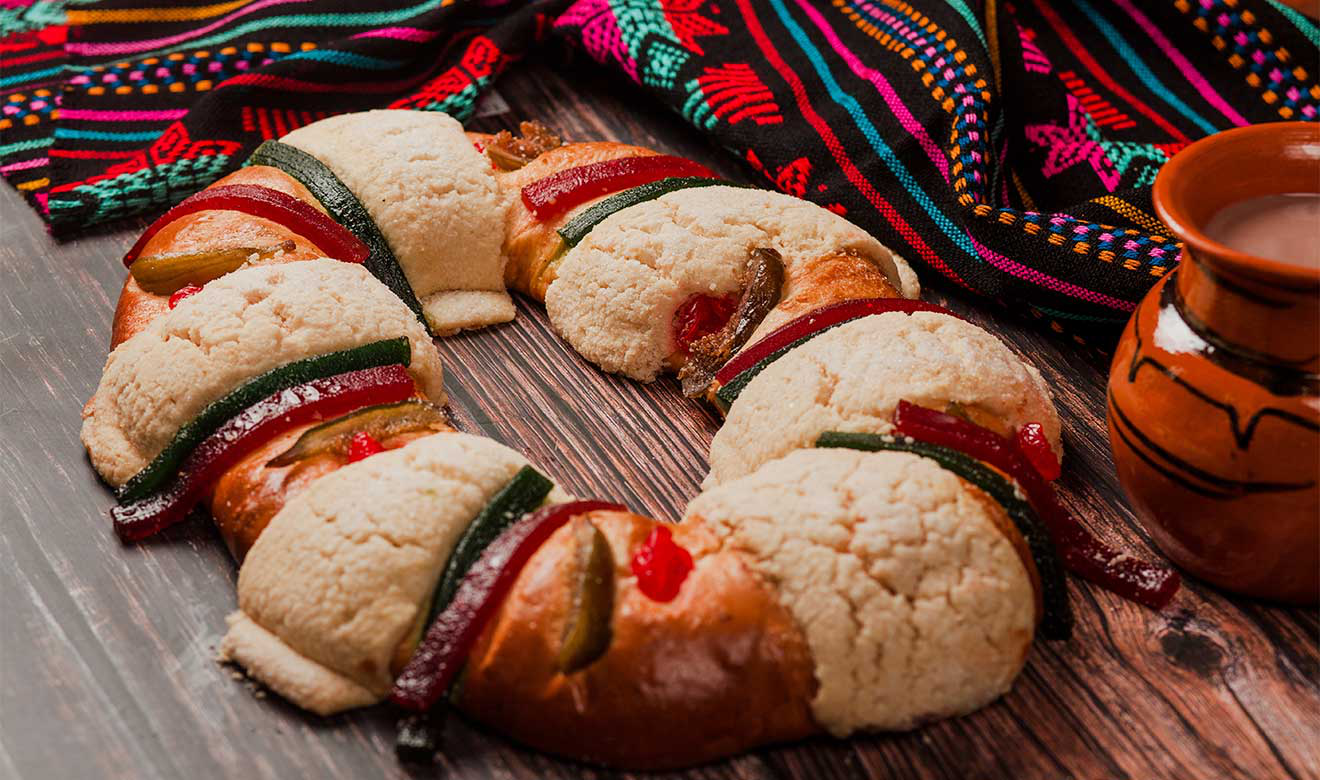
The Rosca stretches for metres — sometimes over 100 — winding through the square like a golden ribbon. It is not a competition for profit, but a celebration of unity. Everyone contributes: bakers, farmers, schoolchildren, and local families who arrive with trays of candied fruit and stories passed down through generations.
In other parts of Mexico — from Saltillo, Coahuila, to Mexico City's Iztapalapa — communities hold friendly competitions to see who can make the largest or most creative Rosca. Some are filled with cream, others with guava, chocolate, or cajeta. The joy is not in the size or the flavour, but in the shared pride that comes from baking something together. It's a moment when the spirit of the Rosca — generosity, laughter, and connection — becomes something living and tangible.
4. Symbols of Light and Renewal
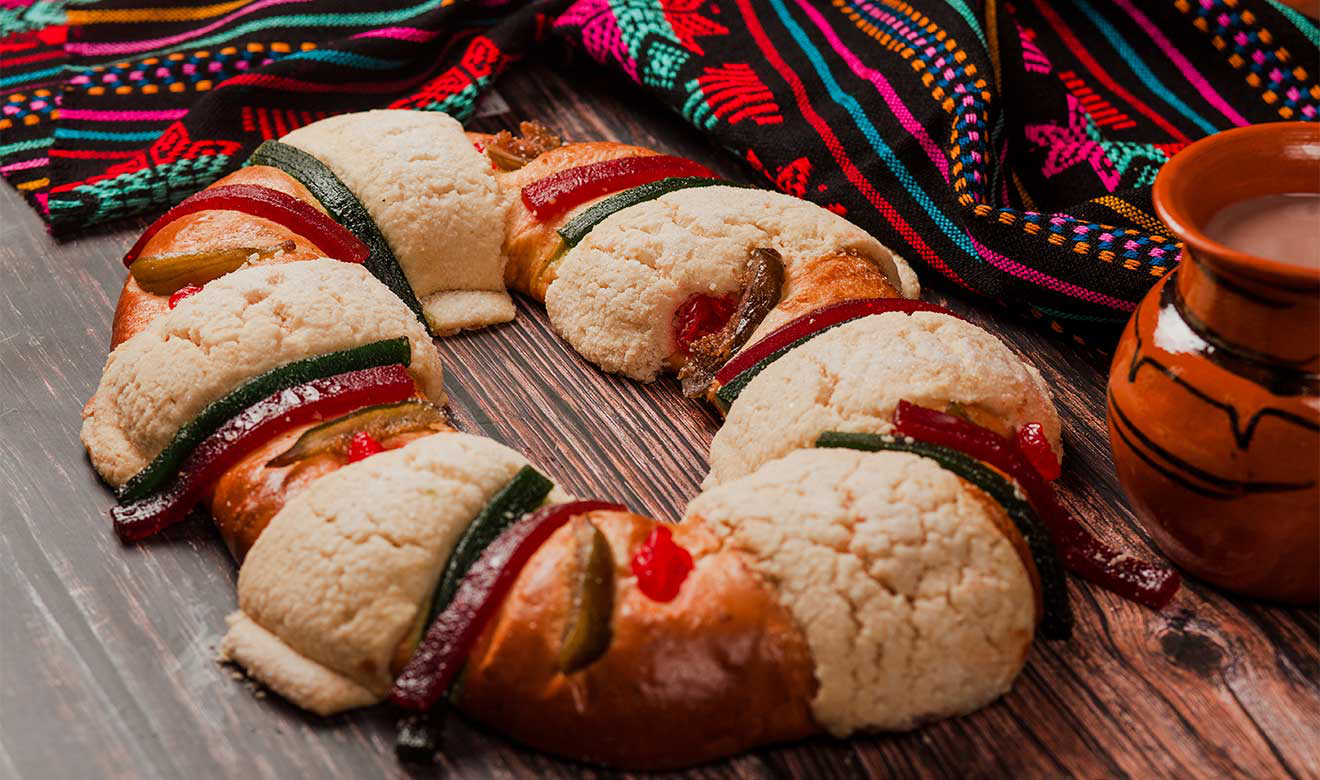
Beyond its sweetness, the Rosca carries layers of meaning. The circular shape represents eternity — the endless nature of love, family, and faith. The candied fruit recalls the jewels of the Magi, and the hidden figurine represents the divine protected among us.
Even the act of cutting and sharing becomes symbolic — a moment of humility, generosity, and joy.
In rural Mexico, Día de Reyes often coincides with blessings of seeds and animals, marking the beginning of the agricultural cycle. Across the cities, bakeries fill their windows with rows of golden Roscas, some so large they could feed a neighbourhood. Every bite carries both European history and Mexican heart — a fusion of tradition and warmth that belongs to no single culture, but to humanity itself.
5. Roscas Across the Globe
It's beautiful to see how the same idea has taken root in different places. In France, the Galette des Rois is still enjoyed with paper crowns and elegance. In Spain, the Roscón fills pastry shops with colour and cream. In Portugal, the Bolo Rei is baked with nuts and port wine. In Louisiana, the King Cake appears in February for Mardi Gras, draped in purple, green, and gold sugar.
And yet, only in Mexico does the story continue beyond the 6th of January. We don't just end the celebration; we postpone the goodbye. The Rosca is not the last taste of the holidays — it's a bridge to the next feast.
6. The Beauty of Continuity
Each year, as I watch friends and family cut the Rosca, I'm reminded of how traditions survive not because they are perfect, but because they are shared. The same laughter, the same slice, the same promise to meet again for tamales — that's the true magic of the season.
It's not about finding the figurine. It's about finding a reason to gather again.
So this January, wherever you are — whether in Mexico City, Paris, Spain, Portugal or London — take a moment to enjoy a slice of something sweet. Taste the history, the faith, the fun, and the togetherness it carries.
Because the Rosca de Reyes is not just bread — it's a symbol of continuity, of hope, of community. It reminds us that life, like good dough, always rises again.
Feliz Día de Reyes - and to whoever finds the muñeco, see you in February for the tamales. 😉
And not long to go now for the reopening of Stovell's Mexico City — I can't wait to welcome you all very soon. Watch this space.